In today's technology-driven environment, automation has become essential across all business functions. Accounting automation software offers a straightforward approach to reducing time expenditure while enhancing precision — and for modern accounting firms, it's no longer optional.
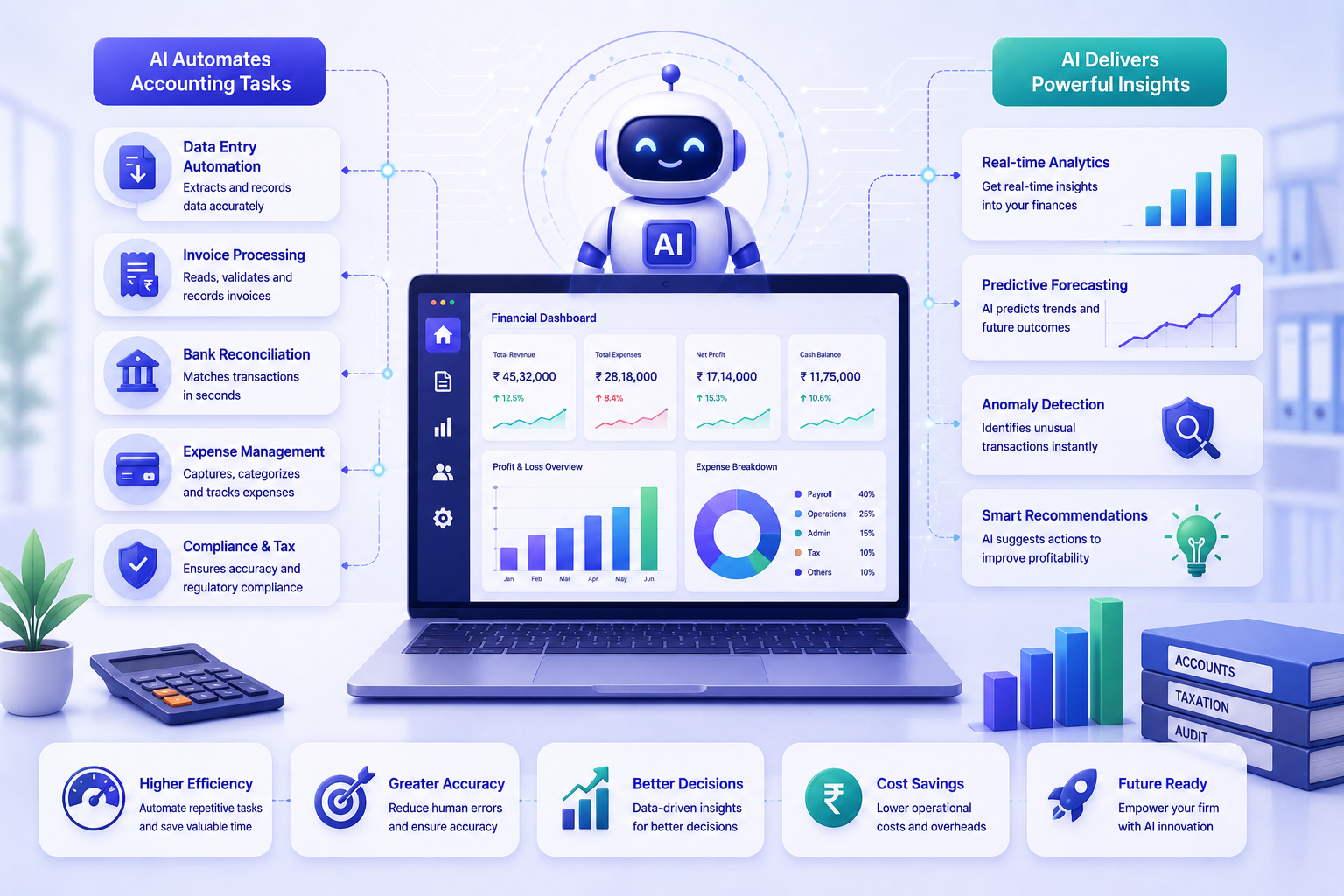
Accounting automation involves streamlining manual processes by creating standardized templates for recurring forms, reports, and communications. It handles both routine tasks and complex operations such as bank reconciliation and multi-location inventory management. Accountants gain access to tools enabling faster evolution, secure financial data handling, and better utilization of client information.
Why Accounting Automation Is Now Essential
The shift from "nice to have" to "business requirement" happened gradually, then suddenly. Here are the five key reasons every accounting firm must prioritize automation right now:
Click any benefit below to expand for implementation details.
1
Automates bills and invoices, eliminating manual monthly or quarterly data entry and reducing reconciliation errors. Recurring transactions happen automatically — no manual intervention, no missed entries.
2
Frees accounting staff to deliver value-added services while automated reminders keep clients informed about payment deadlines, document requirements, and service milestones. Clients feel more informed and cared for.
3
Automation flags suspicious activities and irregularities that manual processes might overlook, protecting against costly fraudulent schemes. Automated controls provide a consistent safety net that human review alone cannot.
4
Minimizes human mistakes in tracking complex financial details and calculations. Even the most careful human makes errors under time pressure — automated systems don't.
5
Transforms accounting into a more efficient, valuable business function. Streamlined processes reduce overhead, improve consistency, and create the capacity to serve more clients without adding headcount.
Accounting Professionals vs. Automated Accounting Software
The comparison between manual accounting and automated accounting software reveals a clear verdict. The question isn't which is "better" — it's how to use each for what they do best:
Manual Accounting
Excels at complex strategic analysis
Client relationship management
Creative problem solving
Cannot match automation's speed
Prone to errors under time pressure
Expensive for routine repetitive tasks
Automated Software
Superior speed on routine tasks
Error-free data entry and calculation
24/7 availability without fatigue
Consistent compliance monitoring
Fraud detection and audit trails
Scalable without additional headcount
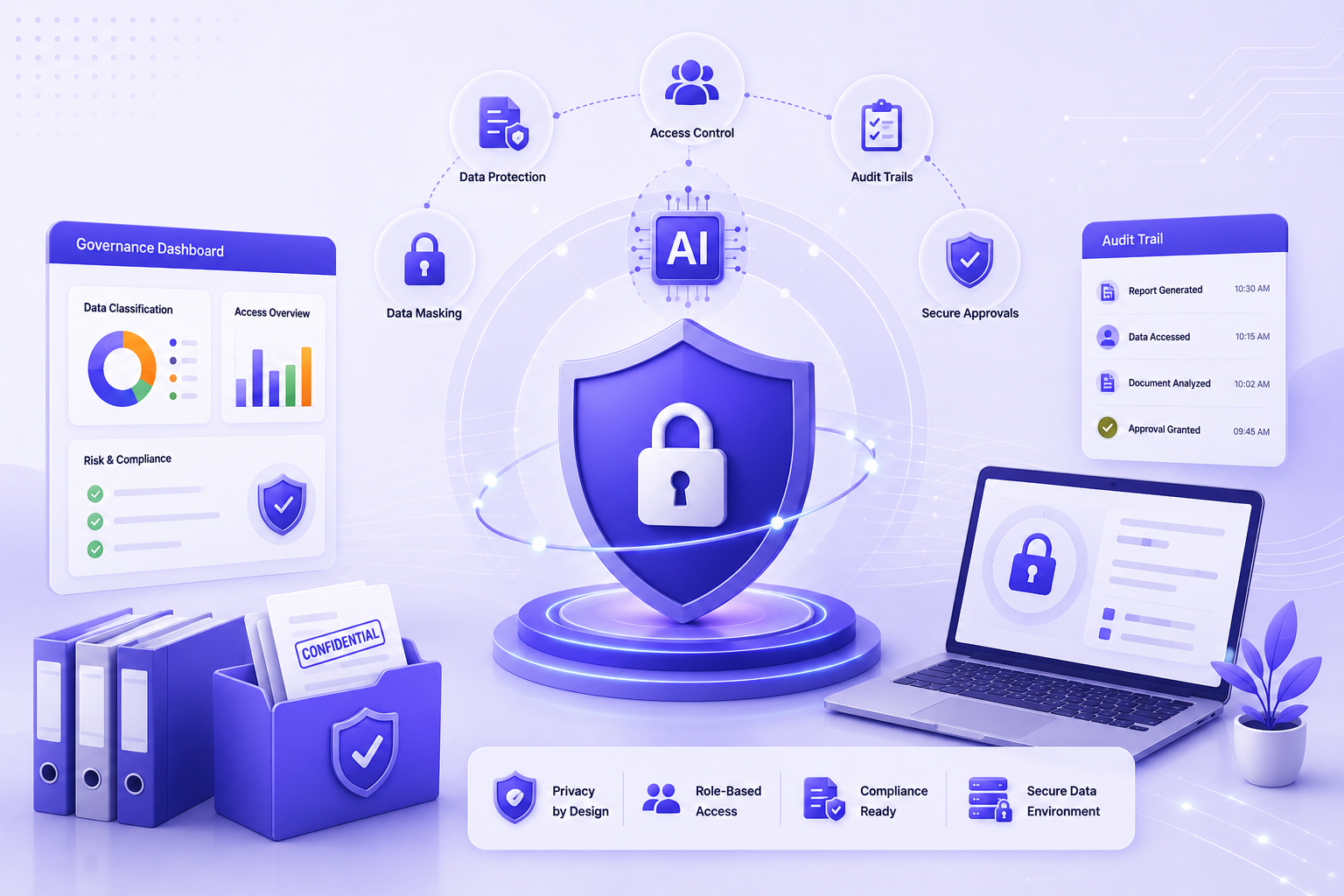
Accounting automation protects businesses from fraud, reduces error risks, and boosts service delivery — making it essential infrastructure for modern organizations seeking improved efficiency and reliability.
The firms that still rely predominantly on manual processes are facing a widening competitive disadvantage. Their costs are higher, their error rates are greater, and their capacity to grow is limited by the number of hours in the working day. Automation removes all three of those constraints simultaneously.
"Accounting automation represents a minimum operational requirement for contemporary organizations pursuing enhanced accuracy, efficiency, and competitive positioning."
Don't let manual processes hold your firm back. See how CAOA can automate your accounting operations — book a free demo today.