The Modern CPA Tech Stack: What Firms Need (and What They Don’t) in 2026
The Technology Explosion in Accounting
Accounting firms have never had more technology options than they do today.
CRMs, document management systems, workflow tools, billing software, communication platforms, AI assistants, client portals, and analytics dashboards are all competing for a place in the modern CPA firm’s technology stack.
Yet despite spending more on technology than ever before, many firms continue to struggle with inefficiencies, fragmented workflows, and poor operational visibility.
The challenge is no longer finding technology.
The challenge is choosing the right technology ecosystem.

The Problem with Tool Sprawl
Many firms have built their operations using a collection of standalone applications.
A typical firm may use:
- One platform for CRM
- Another for task management• A separate document storage system
- Multiple communication channels
- Different billing software
- Independent reporting tools
While each solution may perform its individual function well, the overall result is often operational fragmentation.
This creates:
- Duplicate data entry
- Multiple login environments
- Inconsistent information
- Reporting challenges
- Reduced productivity
The more tools a firm adopts, the more complex operational management becomes.
What Modern Firms Actually Need
The most successful firms in 2026 are focusing less on the number of tools they use and more on how well their systems work together.
A modern CPA technology stack should provide:
- Centralized client management
- Workflow automation
- Document intelligence
- Unified communication
- Billing & collections
- AI-powered insights
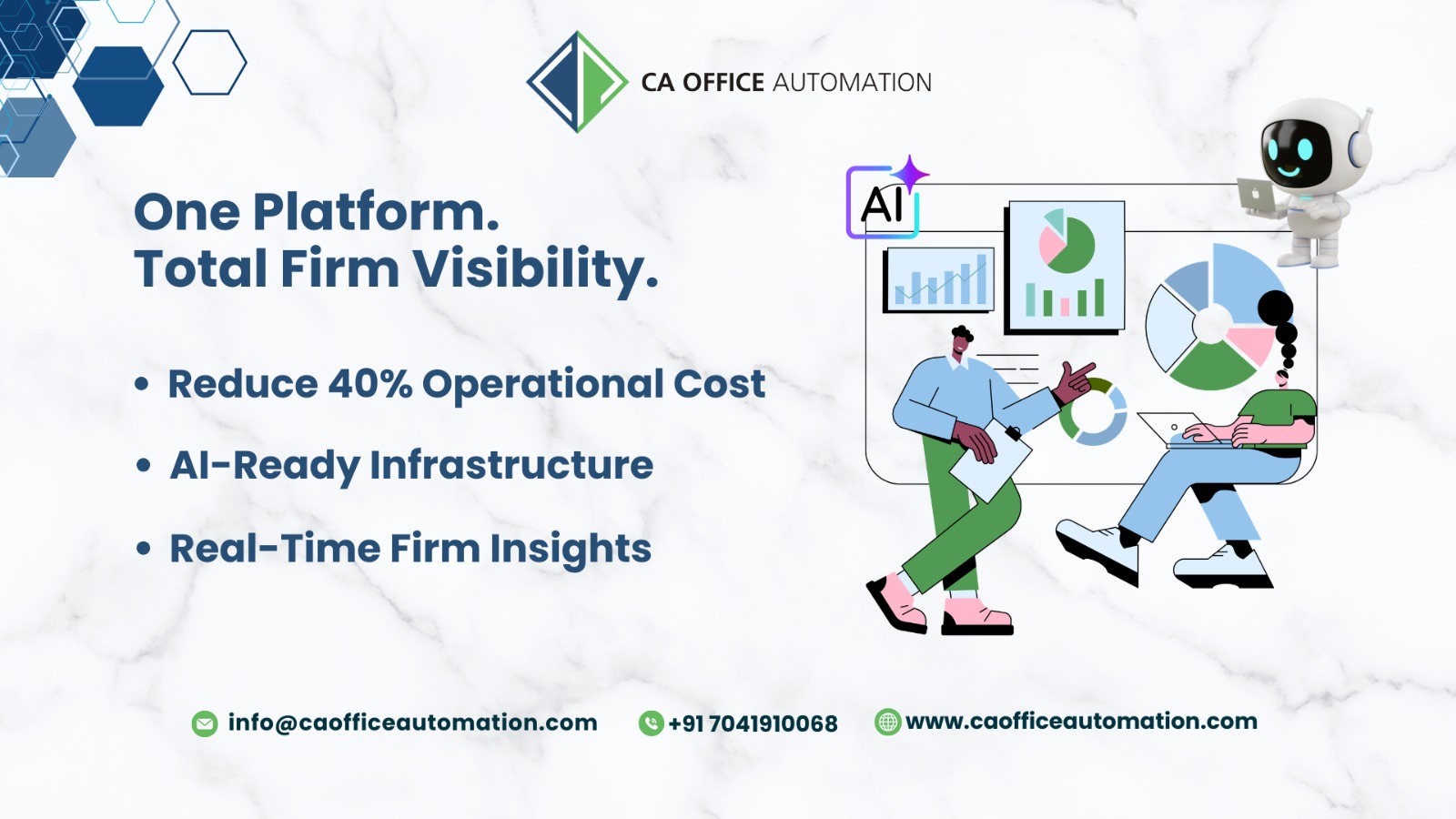
- Operational visibility
The goal is not to add more software.
The goal is to create a connected operational ecosystem.

The End of Spreadsheet Management: Building a Single Source of Truth for CPA Firms
1 Practice Management Platform
At the center of every modern accounting firm should be a practice management platform.
This system acts as the operational foundation for:
- Client records
- Task management
- Workflow execution
- Team collaboration
- Service delivery
Without a centralized platform, operational information becomes scattered across multiple systems.
2 AI-Powered Workflow Automation
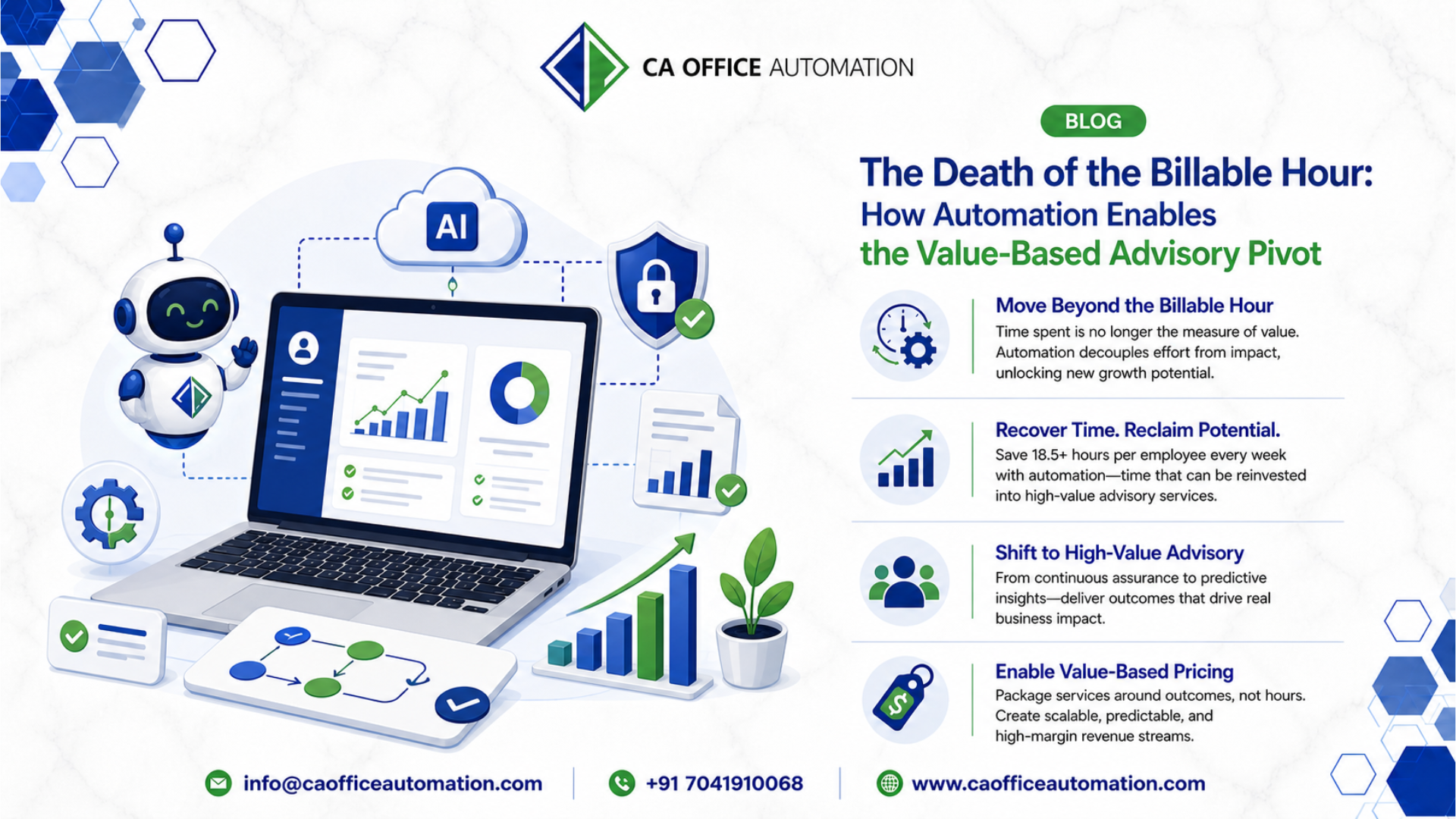
Automation is no longer optional.
Modern firms are using AI to:
✔️ Assign tasks automatically
✔️ Monitor deadlines
✔️ Trigger reminders
✔️ Escalate delays
✔️ Generate operational insights
This reduces manual coordination and allows teams to focus on higher-value work.
3 Intelligent Document Management
Documents remain at the center of accounting operations.
Modern document systems should:
- Classify files automatically
- Extract key information
- Link documents to workflows
- Maintain audit-ready records
AI-powered document intelligence significantly reduces manual processing effort.
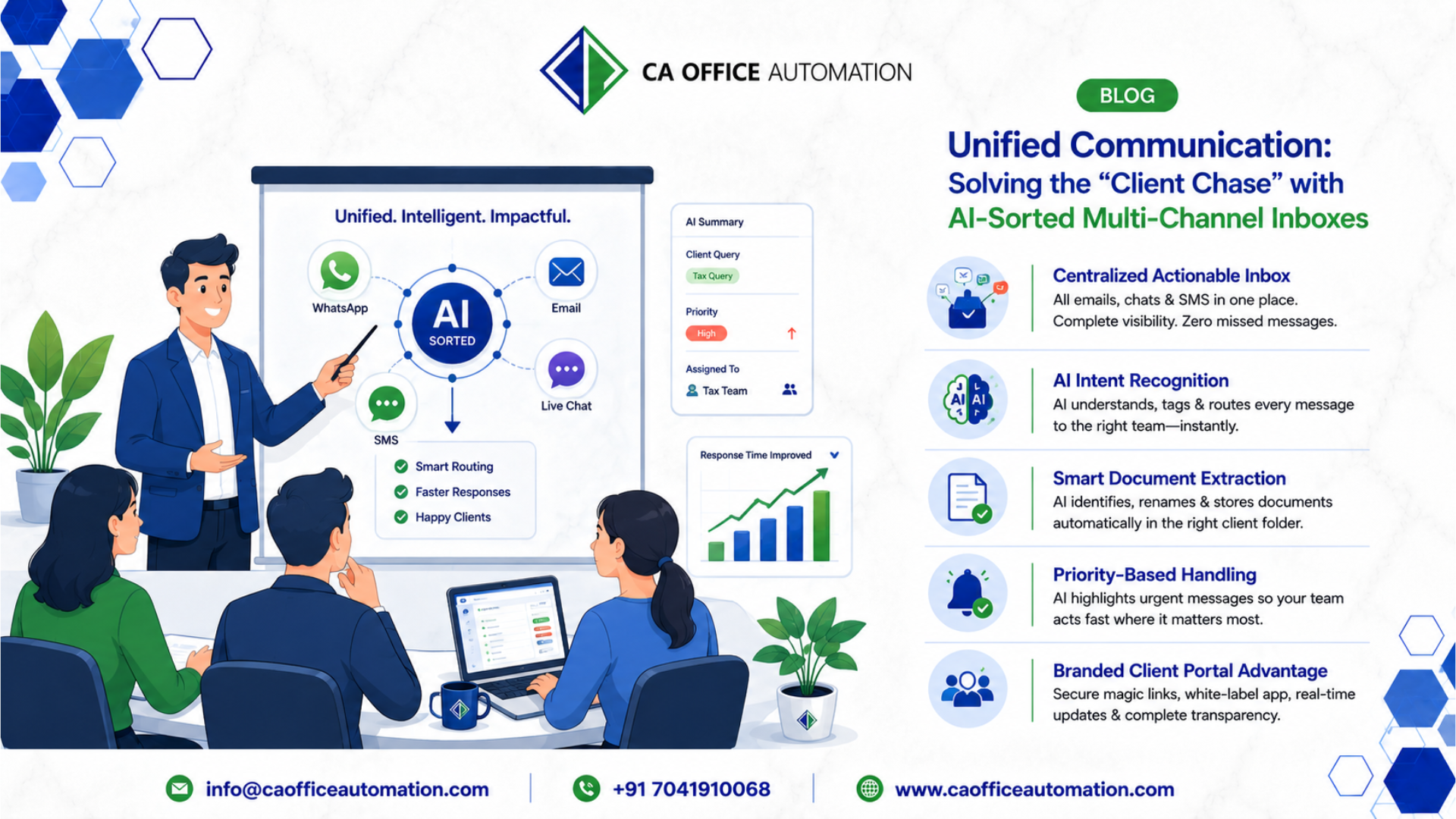
4 Unified Communication
Clients communicate through multiple channels:
- SMS
- Client Portals
Managing communication across disconnected platforms creates operational friction.
Unified communication systems centralize interactions while providing complete visibility into client conversations.
5 Operational Dashboards & Visibility
One of the biggest challenges facing accounting firms is the lack of operational visibility.
Leadership teams need real-time access to:
✔️ Employee utilization
✔️ Due tasks
✔️ Client status
✔️ Approval workflows
✔️ Operational bottlenecks
Modern dashboards enable proactive decision-making rather than reactive management.
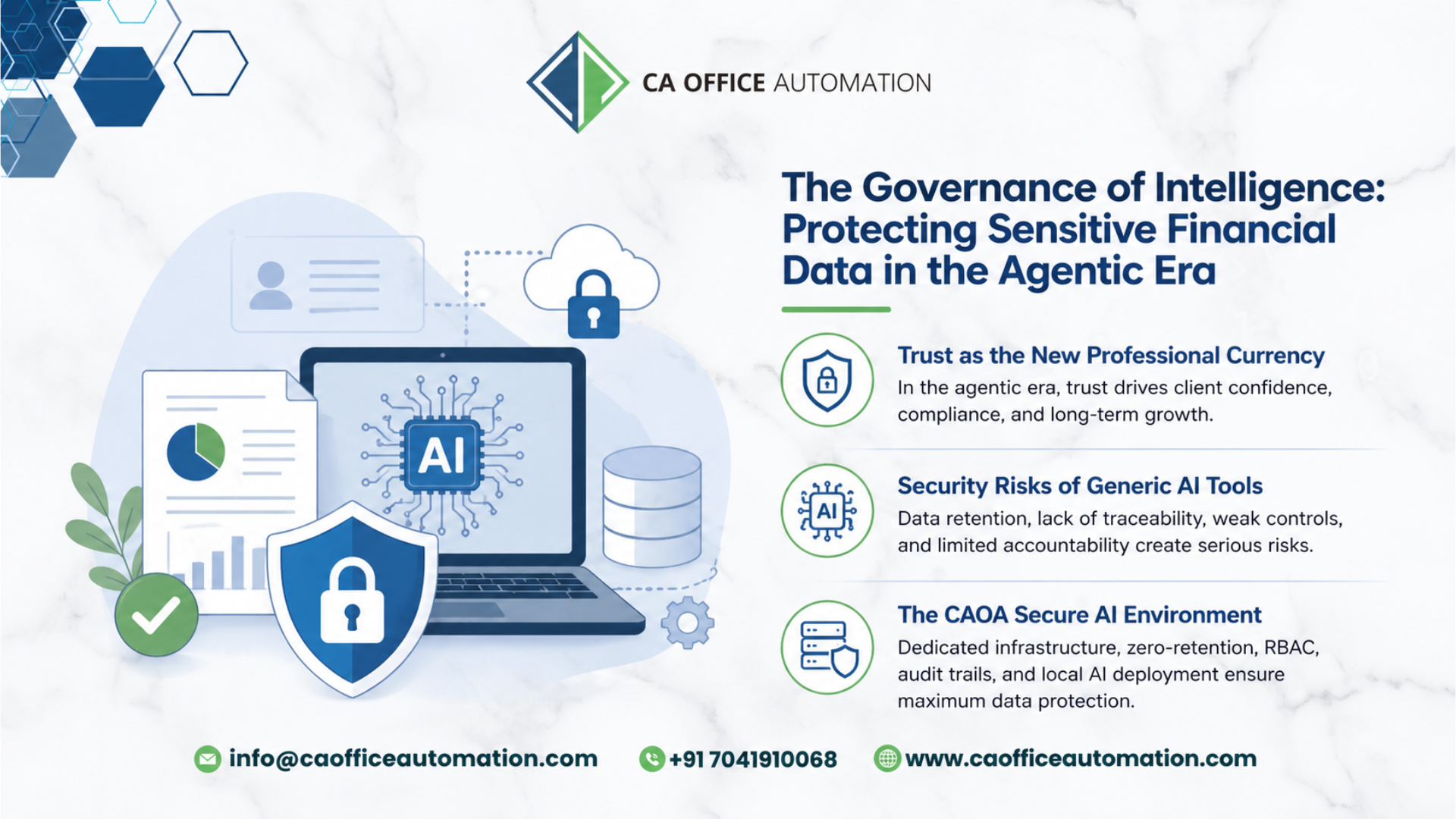
6 Secure AI Governance
As AI adoption increases, governance becomes essential.
Firms must ensure:
✔️ Role-based access controls
✔️ Audit trails
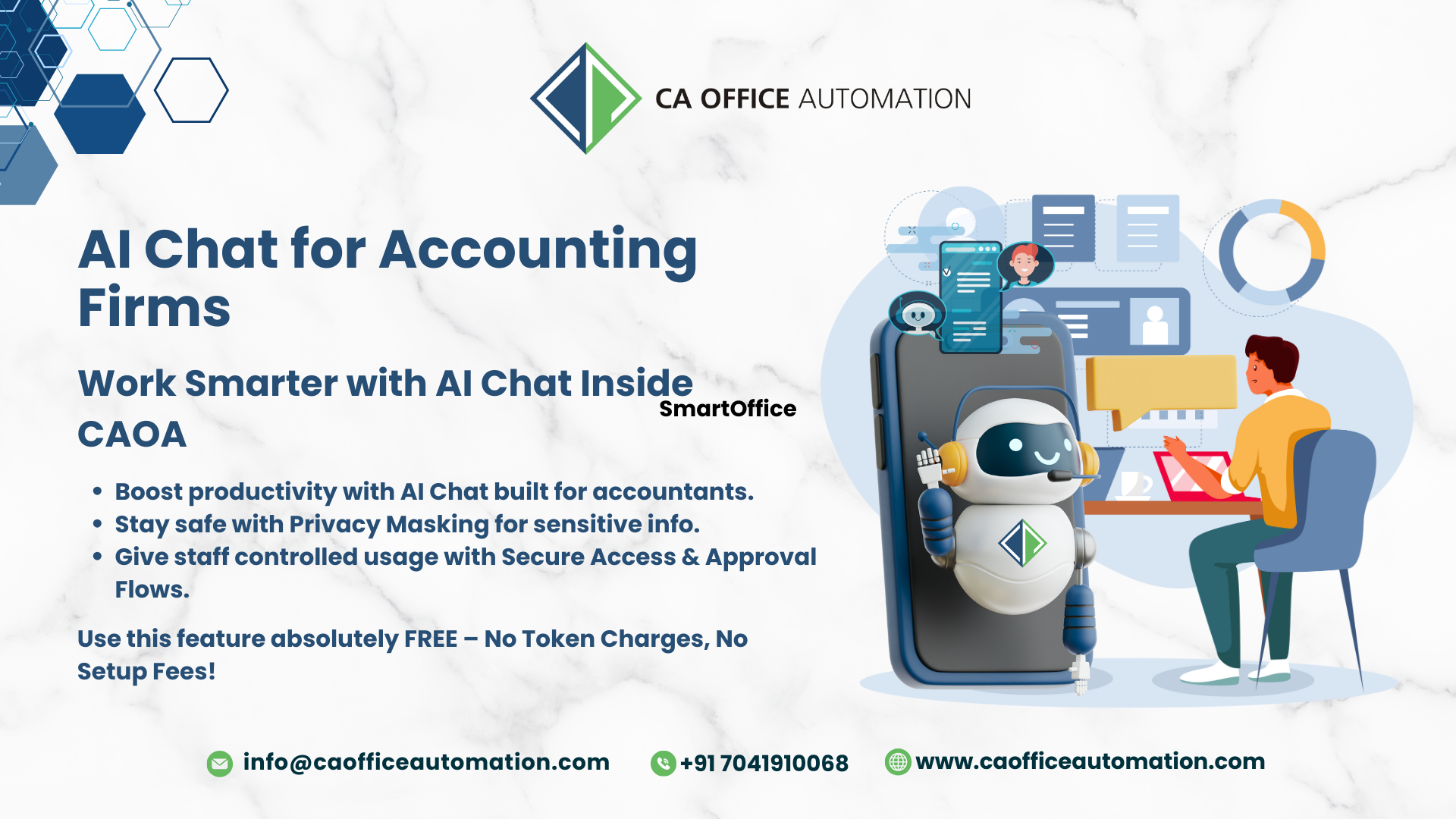
✔️ Data masking
✔️ Approval mechanisms
✔️ AI monitoring
The future belongs to firms that combine innovation with governance.
How an Accounting Firm Automated Document Processing with CAOA’s Document Analysis Agent
What Firms No Longer Need
Many firms continue to rely on outdated operational practices such as:
❌ Spreadsheet-based task tracking
❌ Manual client follow-ups
❌ Shared folders with limited control
❌ Multiple disconnected applications
❌ Manual reporting systems
These approaches create unnecessary complexity and limit scalability.
The Shift Toward Platform Thinking
Leading firms are moving away from a “tool-first” mindset and adopting a “platform-first” strategy.
Instead of purchasing separate solutions for every challenge, they are investing in integrated ecosystems that support the entire client lifecycle.
This approach delivers:
✔️ Better visibility
✔️ Improved efficiency
✔️ Lower operational costs
✔️ Stronger governance
✔️ Greater scalability
How CAOA Supports the Modern CPA Tech Stack
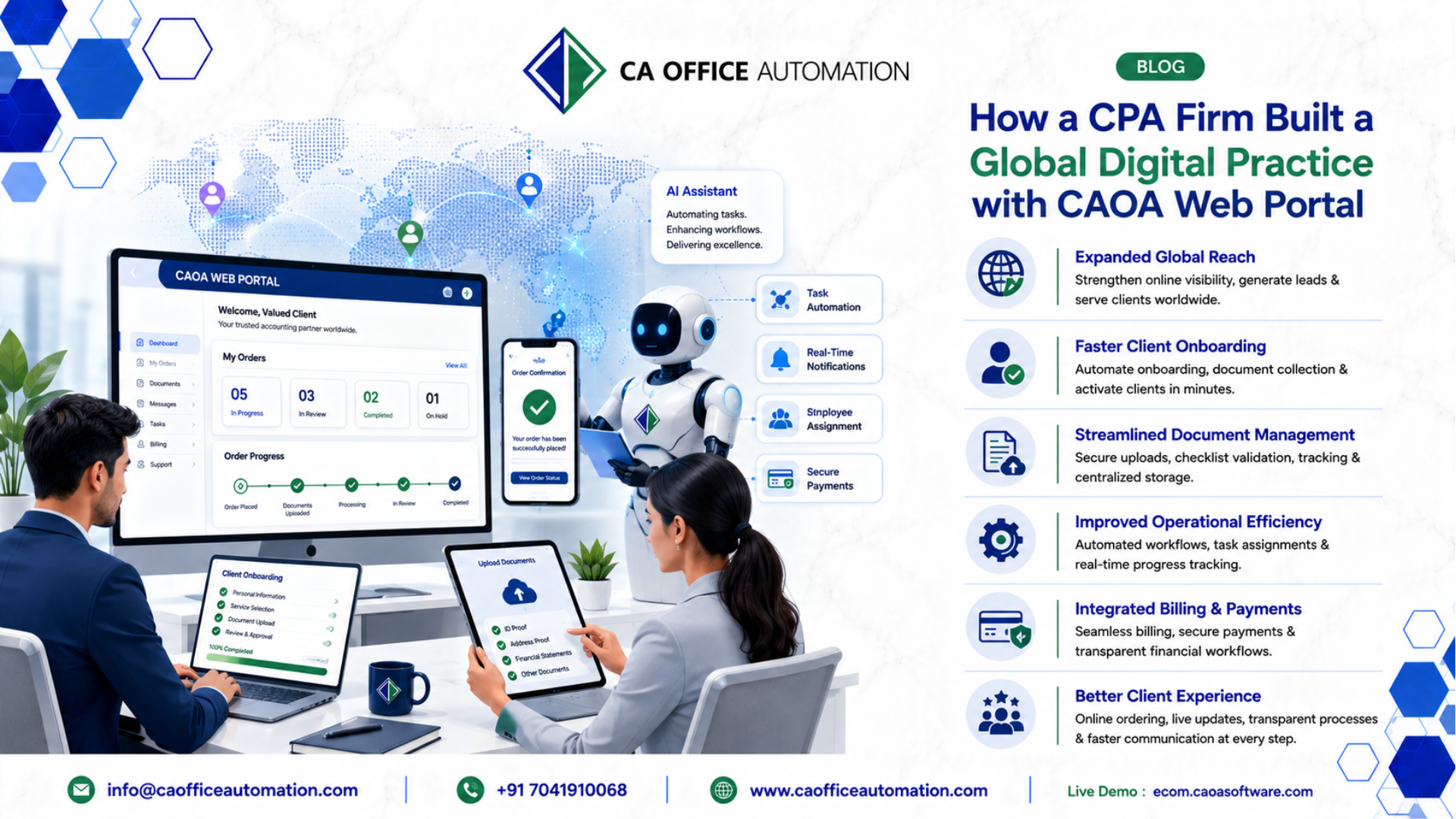
CA Office Automation (CAOA) provides an integrated platform specifically designed for accounting firms.
The platform combines:
✔️ Practice Management
✔️ Workflow Automation
✔️ AI Agents
✔️ Unified Communication
✔️ Document Intelligence
✔️ Billing Automation
✔️ Operational Dashboards
✔️ Secure AI Governance
This enables firms to operate through a single connected ecosystem rather than a collection of disconnected tools.
Final Thought
The future of accounting technology is not about using more software.
It is about using the right software architecture.
The firms that thrive in 2026 will not be those with the largest tech stacks.
They will be the firms with the most connected, intelligent, and scalable operational platforms.
Because modern growth requires more than technology.
It requires integration. 🚀